


Dr. D’Anne Rudden
|
Published on
|
2 min read
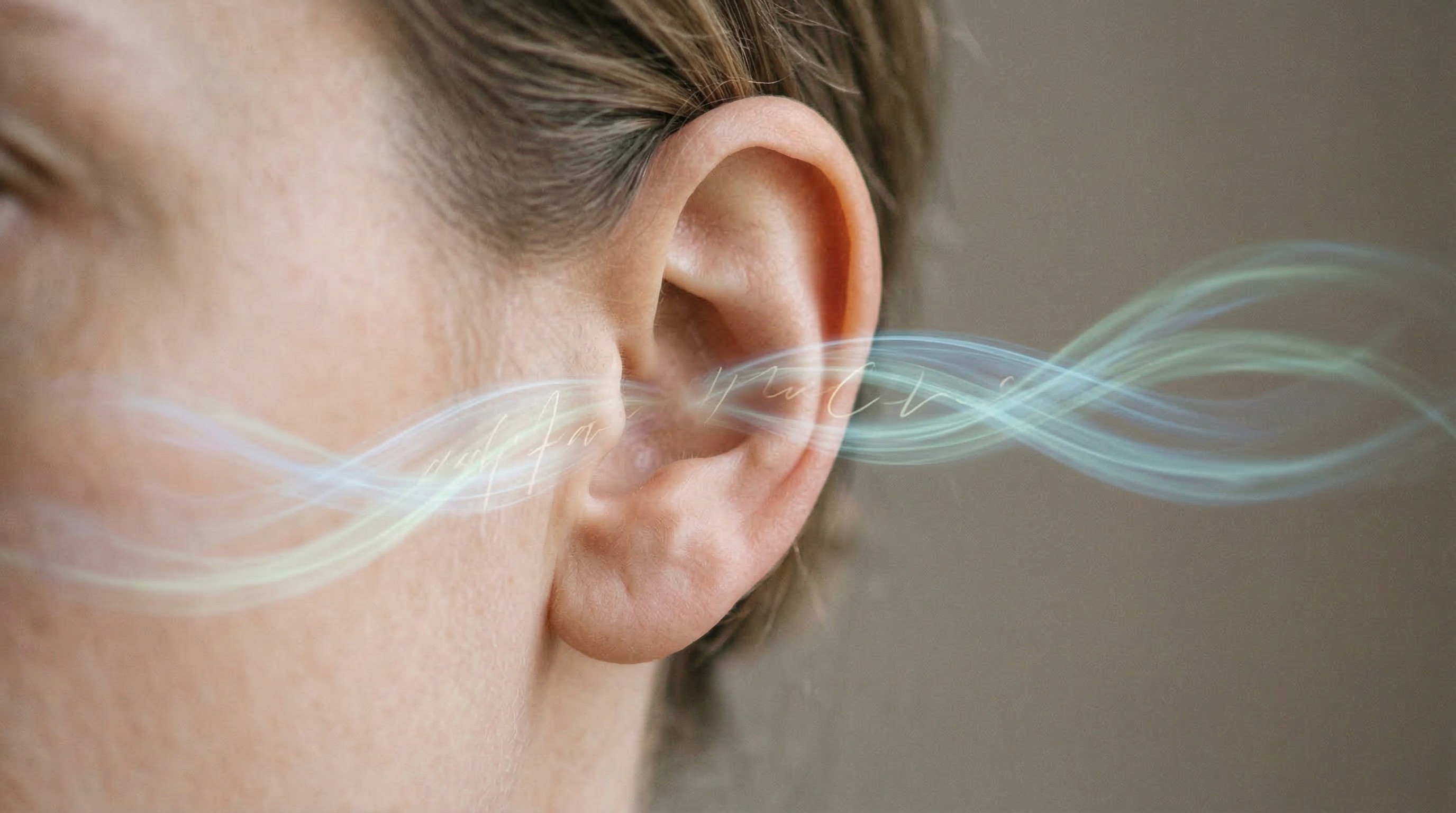
When you think about hearing loss, you might imagine it as simply turning down the volume on a television. However, your experience is far more complex than that.
When you’re experiencing hearing challenges, the sounds of your life become less distinct and more difficult to interpret; hearing loss is more a loss of clarity, not just a loss of power.
If you find yourself straining to catch every word or missing the subtle details in music or conversation, it’s not your imagination. Your challenges are real, and you don’t have to listen to the muffled and frustrating sound of hearing loss for long.
When You Can Hear Voices but Not the Words
You may notice that you can hear voices, but the words themselves seem muffled or unclear. This sensation is often due to what hearing professionals call a high-frequency "slope."
You might feel as though people are constantly mumbling or speaking into a pillow, making it difficult to follow conversations, especially in group settings.
Your ears are likely still picking up vowels, which are lower in frequency and provide the volume of speech. However, you may be missing consonants, which are higher in frequency and carry the meaning of words.
This split can leave you with the frustrating experience of hearing sound without understanding it. Your brain is working overtime to "autofill" the missing parts of every sentence, leading to mental fatigue and frustration from simply trying to listen.
When you find yourself avoiding conversations or feeling drained after social interactions, you are experiencing a very real consequence of an untreated hearing loss challenge, which can sound overwhelming and frustrating without recognizing what it is.
The Sound of Background Noise Overwhelming Your Focus
In environments with lots of busy background noise, such as restaurants, family gatherings, or full offices, you may notice that speech gets "washed out" by the hum of an air conditioner, the clatter of dishes, or the buzz of conversation.
This is often referred to as the "cocktail party effect," where you’re surrounded by a lot of noise and can’t quite focus on what’s going on in front of you.
When your ears struggle to separate speech from background noise, it’s not a failure on your part; it’s a common and treatable aspect of hearing loss. You deserve a solution that helps you distinguish the voice you want to hear from the noise you don’t.
Avoiding noisy restaurants or social gatherings isn’t a personality change but a logical response to a challenging auditory environment. You can rest assured that advanced solutions exist to help you reconnect with the world around you.
Why Some Environments Sound "Sharp" or "Tinny"
You may notice that certain sounds feel uncomfortably loud or piercing, even though you have difficulty hearing other sounds. As a result, some environments may sound "sharp" or "tinny," making typical noises you were once used to feel jarring or overwhelming.
Your ears may be losing their ability to process the nuance of sound, which can make it difficult to enjoy music, appreciate the subtleties of a loved one’s voice, or feel comfortable in environments with sudden loud noises.
You can rest assured that our team of professionals can map these sensitivities and create a personalized plan to ensure your world sounds balanced and natural again.
You Benefit from a Professional Diagnostic "Sound Map"
A basic hearing screening may only scratch the surface of your experience. You deserve a comprehensive evaluation that measures not just what you hear, but how well you understand speech in complex environments.
You benefit from a diagnostic "sound map" that pinpoints your unique hearing profile, allowing for solutions that are tailored to your needs.
With today’s advanced technology, you gain the advantage of hearing aids and devices that are programmed to your specific hearing needs, restoring only the frequencies you’re missing.
A personalized approach ensures that you regain clarity without overwhelming your ears with unnecessary amplification, should your ears not need it. Rest assured that our team is here to help you with your unique hearing needs.
Untreated hearing loss is linked to increased cognitive load, social withdrawal, and even cognitive decline. By restoring the full spectrum of sound, you are supporting your cognitive health and emotional well-being.
Taking action now means you are investing in your long-term health and quality of life.
Reclaiming the Clarity You Deserve
You do not have to live in a world of muffled sounds, constant "guessing," or social isolation. You benefit from partnering with hearing health professionals who can provide an honest answer and a clear path back to the sounds you love.
By seeking a comprehensive evaluation and personalized solutions, you reclaim the clarity and connection you deserve. If you recognize yourself in these experiences, get in touch with our team at Longmont Hearing and Tinnitus Center.
You can rest assured that with the right support, you will regain the clarity and connection you deserve!
FAQs
Q: Why do I feel exhausted after social events, even when I can technically hear what’s being said?
A: You can rest assured that this exhaustion is a common experience for those with hearing loss. Your brain is working harder to fill in the gaps when you miss certain sounds, especially consonants. This increased cognitive load leads to fatigue, even if you are able to follow the conversation most of the time.
Q: Why do some everyday sounds suddenly feel painfully loud, even though I struggle to hear others?
A: You may be experiencing a phenomenon called "recruitment," where your ears lose their natural ability to compress loud sounds. As a result, certain noises, like clattering dishes or a barking dog, can feel uncomfortably sharp or piercing. A professional evaluation can help identify these sensitivities and guide you toward solutions that restore balance.
Q: Is it normal to avoid social situations because of hearing difficulties?
A: Avoiding noisy environments is a logical response to the challenges of hearing loss, not a reflection of your personality. Social withdrawal is a common consequence, but with the right support and technology, you can confidently re-engage with the world around you.
Source
Hearing Health Matters: To learn more about how hearing challenges can lead to cognitive decline, take a look at this comprehensive source that details how brain health and hearing health are connected.

Audiologist
Dr. D'Anne Rudden
Dr. D'Anne Rudden is an advocate for patient-centered hearing care. She believes in the transformational power of audiology to enhance lives, applying over 30 years of expertise to benefit each patient. Dr. Rudden’s commitment to her field comes through her numerous certifications, including Board Certified in Audiology, and her active participation in key audiological organizations.
Keep Connecting in Longmont: How Clear Hearing Preserves Your Memory

The Truth About Ear Candling: Safe Earwax Removal

What Lorde’s Lollapalooza Performance Teaches Us About Hearing Health

Supporting the Soundtrack of Northern Colorado: Longmont Hearing & The Lost Bluebird
Better Hearing Starts Here – Schedule Your Visit in Longmont!
Get expert hearing care at Longmont Hearing & Tinnitus Center. Whether you need a hearing test, tinnitus treatment, or custom hearing solutions, our specialists are here to help.