


Sound Sensitivity and Misophonia Care at Longmont Hearing and Tinnitus Center
When Everyday Sounds Feel Overwhelming
Does the sound of someone chewing make you want to leave the room? Do clattering dishes, a running faucet or a busy restaurant feel painfully loud when others barely notice? You’re not imagining it, and you’re not alone.
At Longmont Hearing and Tinnitus Center, our audiologists evaluate and treat sound sensitivity and misophonia for patients across Longmont and Northern Colorado. We take the time to understand how sound is affecting you, then build a personalized plan to help you feel comfortable with everyday sounds again.
Signs You May Be Living with Sound Sensitivity
Certain sounds, like chewing, breathing or tapping, make you feel angry, anxious or panicked
Everyday noise feels too loud, sharp or painful
You avoid restaurants, family meals, concerts or busy places because of the noise
You wear earplugs or headphones in quiet or normal environments
You feel exhausted or on edge after time in noisy places
You also notice ringing, buzzing or humming in your ears
If any of these sound familiar, a specialist evaluation is a good first step.
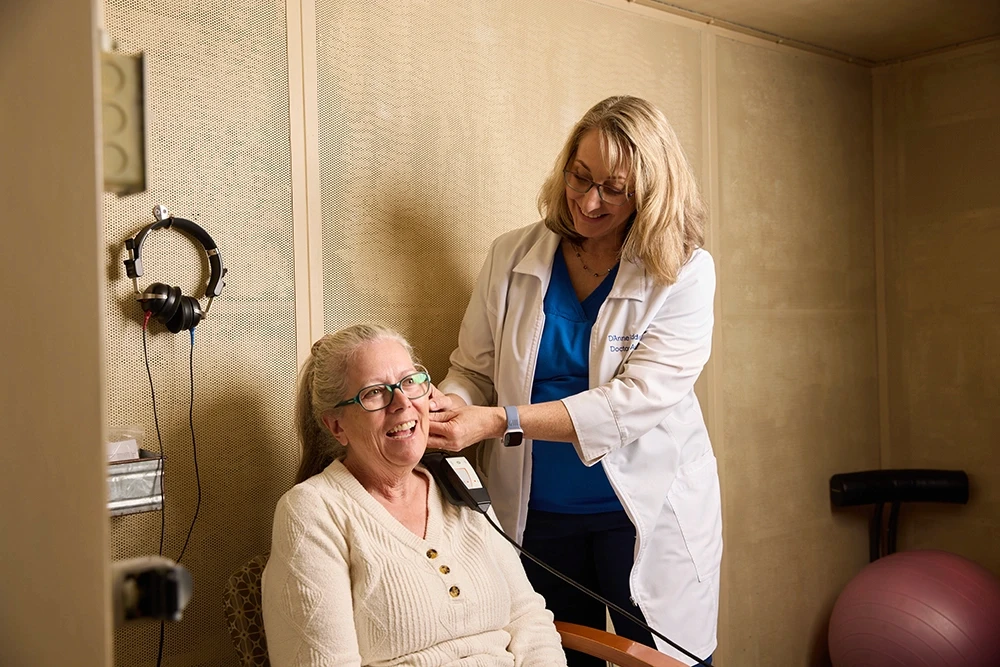
Understanding Sound Sensitivity
Sound sensitivity, also called decreased sound tolerance, isn’t one single condition. It can take several forms, and many people experience more than one. That’s why getting the right diagnosis comes first.
Misophonia
A strong emotional reaction to specific “trigger” sounds, often chewing, breathing, sniffing, throat clearing, pen clicking or tapping. Triggers can bring on sudden anger, anxiety, disgust or an urge to escape, even though the sound isn’t loud.
Hyperacusis
Everyday sounds seem much louder than they should, or even physically painful. Sounds that others find normal, like traffic, dishes, a child’s voice or music, can feel uncomfortable or overwhelming.
Phonophobia
A fear of certain sounds, or of sound becoming too loud. Many people start avoiding places, events or people to protect themselves, which can make sensitivity worse over time.
Sound sensitivity often happens alongside tinnitus or hearing loss, and it can affect sleep, work, relationships and how much you enjoy daily life.
Our Sound Sensitivity Treatment Approach
There’s no one-size-fits-all fix for sound sensitivity, but with the right support most people can greatly reduce how much sound controls their day. Our care is evidence-based, personalized and paced to what feels manageable for you.

Personalized Treatment Plans
Based on your evaluation, we create a plan built around your goals. This may include sound therapy, education and counseling, coping strategies and, where indicated, our Tinnitus Retraining Therapy Care Plan, which includes support for reduced sound tolerance and misophonia.
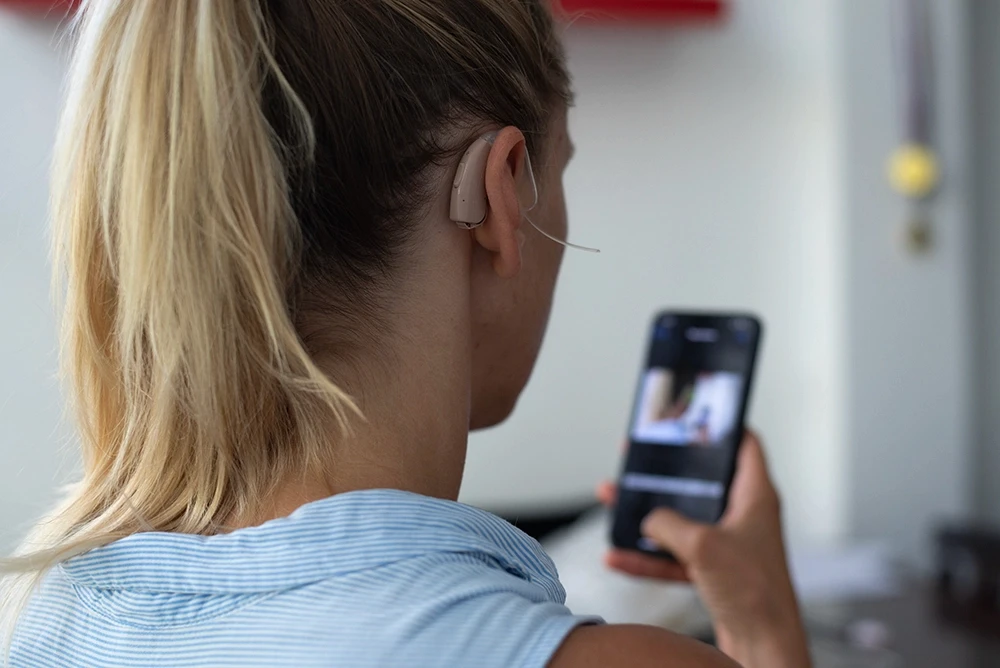
Education and Counseling
Understanding why your brain is reacting to sound is a powerful part of treatment. We explain what’s happening, help you break the cycle of avoidance, and share practical strategies for home, work and social situations.


Ongoing Support
Progress with sound sensitivity takes time. We provide regular follow-up appointments to track your progress, adjust your plan and keep you moving forward.
Frequently Asked Questions About Sound Sensitivity and Misophonia
What’s the difference between misophonia and hyperacusis?
Hyperacusis is about loudness: everyday sounds feel too loud or even painful. Misophonia is about specific trigger sounds, such as chewing or breathing, that cause a strong emotional reaction regardless of volume. Many people experience both, which is why a professional evaluation is so important.
Can sound sensitivity be cured?
Should I wear earplugs all the time?
Is sound sensitivity related to tinnitus?
What causes sound sensitivity?
What happens at my first appointment?
Why Choose Longmont Hearing and Tinnitus Center?
Tinnitus and Sound Sensitivity Specialists
Sound tolerance is part of what we do every day. Our team brings specialist tinnitus and sound sensitivity expertise to every evaluation and treatment plan.
Patient-Centered Approach
Every step of our process is designed to put you first, ensuring decisions are made with your comfort and confidence in mind.
Community-Focused Care
As an independent, family-owned practice in Longmont, we prioritize relationships and community, supporting you in achieving better communication and quality of life.


The Latest News in Hearing Healthcare

Hearing Aids vs. Hearing Care: What Are You Really Paying For?
Discover the benefit of private hearing care. Learn why independent audiology in Longmont delivers lasting communication over cheaper retail devices.
Read More
Experience the Future of Sound: What Is Auracast and How Can It Help Your Hearing Aids?
Read More
Keep Connecting in Longmont: How Clear Hearing Preserves Your Memory
September is World Alzheimer's Month!
Read More