


Dr. D’Anne Rudden
|
Published on
|
2 min read
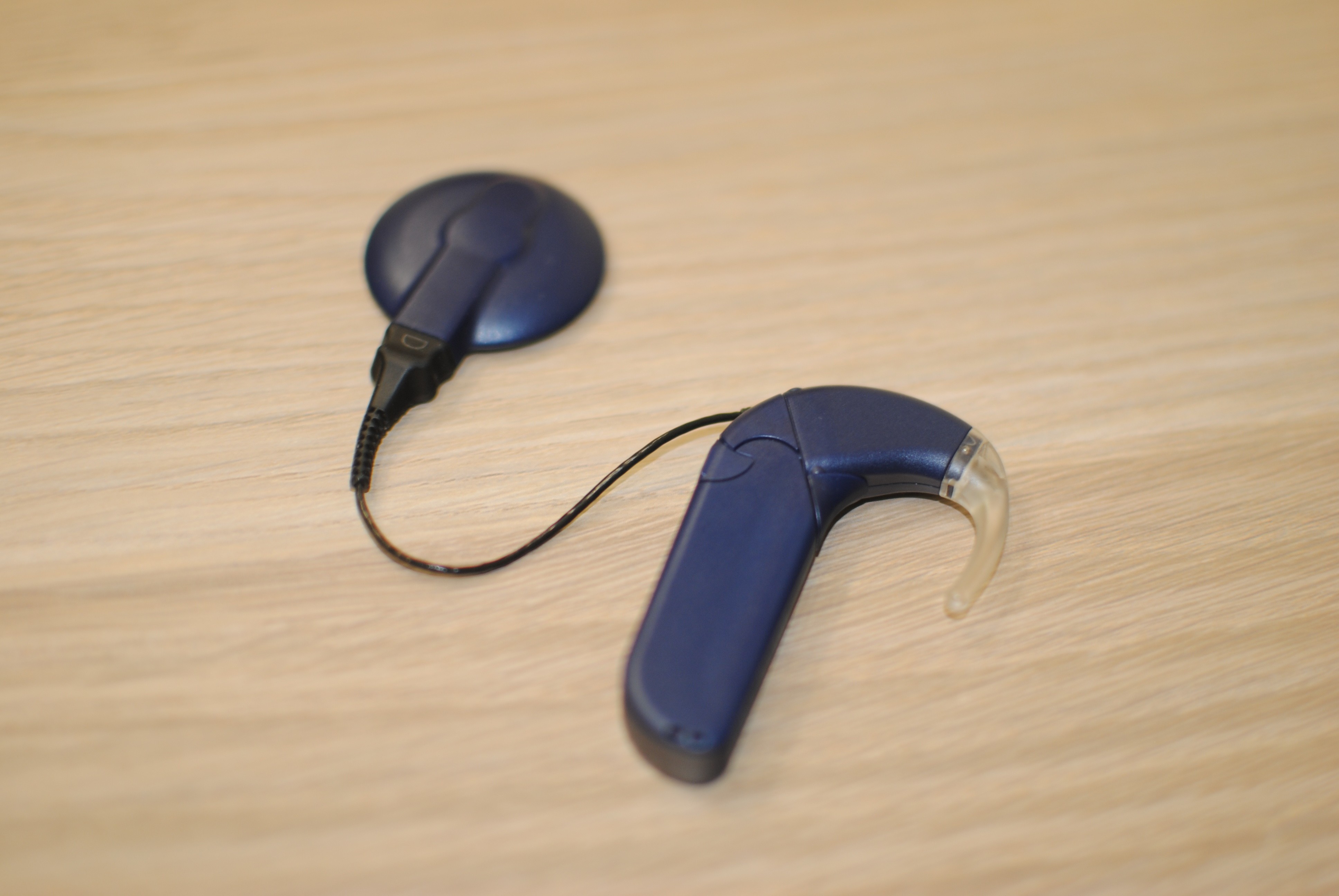
When you’re focused on living life to the fullest, hearing loss can present unique challenges, especially when hearing aids don’t quite hit the mark.
Back in April, I held a webinar with Dr. Nicolle Girardin, an audiologist with Cochlear, titled “Are Your Hearing Aids Holding You Back?”
This event was designed to empower you with knowledge about your hearing health and help you explore whether cochlear implants could be the right next step.
Recognizing When You May Be a Candidate for a Cochlear Implant
You may have noticed that your current hearing aids are not providing the clarity or volume you need in everyday situations. Rest assured that there is a solution if you’re still struggling, even with the most advanced hearing aids.
During the webinar, we outlined several signs that indicate you could benefit from a cochlear implant:
You struggle to follow conversations, even in quiet settings
You frequently ask others to repeat themselves
You find group discussions or phone calls increasingly difficult
You rely on lip-reading to understand speech
Your hearing aids are at their maximum settings, but you still feel left out
Recognizing these signs can help you take the next step toward better hearing. By understanding your own experiences, you empower yourself to seek solutions that fit your needs.
How Cochlear Implants Work: Technology That Supports You
Understanding how cochlear implants function can help you make an informed decision about your hearing health.
Unlike hearing aids, which amplify sound, cochlear implants bypass damaged parts of your inner ear and directly stimulate the hearing nerve. This technology allows you to receive clearer sound signals, especially in environments where background noise is present.
Cochlear implants consist of two main components: an external sound processor and an internal implant. The sound processor captures sound, processes it, and sends it to the implant, which then stimulates the auditory nerve.
This allows you to benefit from improved speech understanding, making it easier to engage in conversations and participate in activities you enjoy.
Hearing Aids vs. Cochlear Implants: Key Differences You Should Know
Choosing between hearing aids and cochlear implants is a personal decision, and understanding the differences is essential.
Here’s what you need to know:
Hearing Aids: These devices amplify sounds, making them louder. They are most effective for individuals with mild to moderate hearing loss.
Cochlear Implants: These devices are designed for those with severe to profound hearing loss who receive limited benefit from hearing aids. Instead of amplifying sounds, they send sound signals directly to the auditory nerve.
You can rest assured that exploring cochlear implants does not mean you have failed with hearing aids. Instead, it’s about finding the right technology that matches your current hearing needs.
Seeking out information and options from your local experts is a proactive step in your hearing health journey.
A Step-by-Step Roadmap to Hearing Success
The path to improved hearing is unique for everyone, but the webinar provided a clear roadmap that you can follow:
Assessment: Start with a comprehensive hearing evaluation to determine your level of hearing loss and whether you may benefit from a cochlear implant.
Consultation: Meet with our hearing professionals at Longmont Hearing & Tinnitus Center to discuss your results and learn about your options.
Candidacy Evaluation: Undergo specific tests to confirm if you are a candidate for a cochlear implant.
Surgery and Activation: If you move forward, you’ll undergo a straightforward outpatient procedure, followed by activation of the device.
Rehabilitation and Support: Receive ongoing support and auditory training to help you adjust and maximize your hearing outcomes.
This structured approach ensures you receive the guidance and care you need at every stage. You remain in control of your choices, with plenty of opportunities to ask questions and explore your comfort level with each step.
Real Experiences: Hearing from a Cochlear Implant Recipient
One of the highlights of the webinar was hearing directly from a cochlear implant recipient.
Their firsthand experience provided further details on what to expect, the challenges faced, and the positive changes they experienced after receiving the implant. Many participants found this especially helpful, as it offered reassurance and practical insights into the process.
You benefit from knowing that others have walked this path before you, and their experiences can help guide your own decisions.
No Pressure, Just Information and Support
The atmosphere of the webinar was supportive and educational. Participants were encouraged to ask questions, share concerns, and explore whether cochlear implants could be a good fit for their unique lifestyles.
There was no pressure to make immediate decisions, just an open invitation to learn and consider advanced options.
Your hearing health matters, and you deserve solutions that support your needs and goals. To learn more about cochlear implants or get in touch with our team, request a callback and we’d be happy to help with any questions or concerns.
You have the power to take charge of your hearing journey. Every step brings you closer to the clarity and connection you deserve.

Audiologist
Dr. D'Anne Rudden
Dr. D'Anne Rudden is an advocate for patient-centered hearing care. She believes in the transformational power of audiology to enhance lives, applying over 30 years of expertise to benefit each patient. Dr. Rudden’s commitment to her field comes through her numerous certifications, including Board Certified in Audiology, and her active participation in key audiological organizations.
Experience the Future of Sound: What Is Auracast and How Can It Help Your Hearing Aids?
Keep Connecting in Longmont: How Clear Hearing Preserves Your Memory

The Truth About Ear Candling: Safe Earwax Removal

What Lorde’s Lollapalooza Performance Teaches Us About Hearing Health
Better Hearing Starts Here – Schedule Your Visit in Longmont!
Get expert hearing care at Longmont Hearing & Tinnitus Center. Whether you need a hearing test, tinnitus treatment, or custom hearing solutions, our specialists are here to help.