


Dr. D’Anne Rudden
|
Published on
|
2 min read
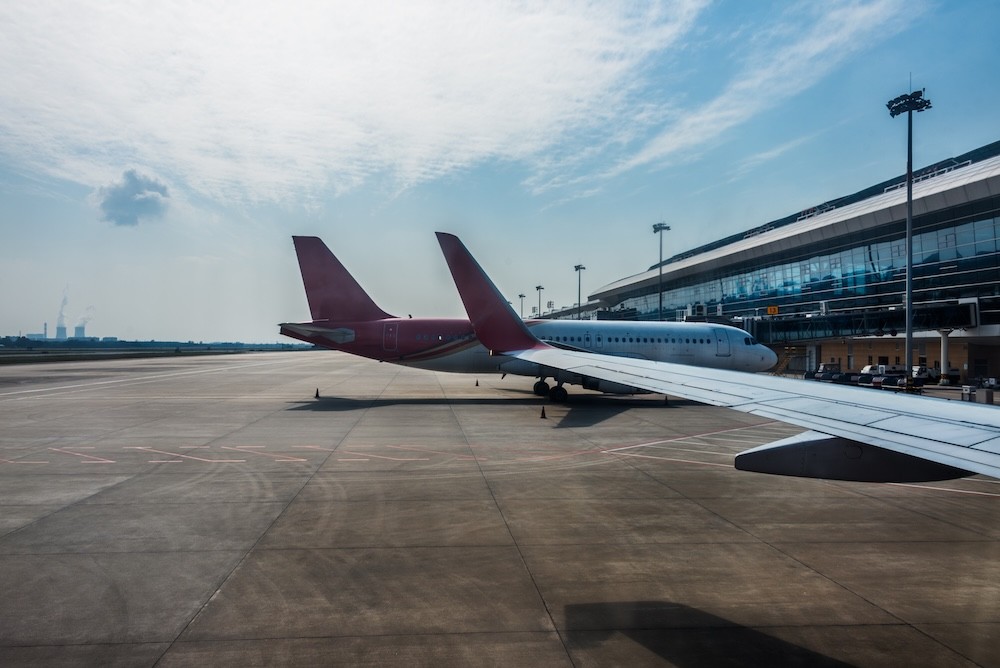
A recent article from The Denver Post caught my attention because it reflects what many of my patients experience every day.
The article, “Calling All Passengers: DIA Seeks to Lower Noise Levels Across Airport,” explores how Denver International Airport is actively working to reduce unnecessary noise in order to create a calmer and less stressful travel experience.
As a hearing doctor, I see firsthand how loud, busy environments like airports affect people’s stress levels, focus, and hearing comfort. Below are my professional thoughts on why this initiative matters and what it reveals about hearing health more broadly.
Watch: My professional perspective on airport noise and hearing health, in light of the Denver Airport noise initiative.
In this video, I share my perspective on Denver International Airport’s noise reduction efforts and what they signal about how sound impacts our brains and hearing systems.
I discuss:
Why airports feel more overwhelming than ever
How constant background noise increases stress and listening fatigue
Why some people struggle more than others in loud environments
When sound sensitivity may point to underlying hearing changes
If you find that noisy places feel harder to manage than they used to, this video will help explain why.
Why Airport Noise Feels So Intense
Airports combine multiple sound sources in one space. Public announcements, rolling luggage, mechanical systems, crowds, and large open architecture all amplify noise.
Even short bursts of loud sound can feel overwhelming when they happen repeatedly. For many travelers, this leads to confusion, irritability, or exhaustion before the flight even begins.
How Loud Noise Affects Stress and the Body
Loud environments activate the body’s stress response. Heart rate increases. Muscles tense. Concentration drops.
Over time, repeated exposure to high noise levels can contribute to listening fatigue, anxiety, tinnitus, and hearing strain. Travel can intensify this effect because fatigue reduces the brain’s ability to filter sound efficiently.
This is why people often say airports feel stressful even when nothing specific seems wrong.
Why Hearing Challenges Make Noisy Places Even Harder
Hearing loss is not just about reduced volume. It is also about reduced clarity.
People with untreated hearing challenges often struggle to separate speech from background noise, and so announcements blur together and conversations become frustrating. This can increase anxiety and lead people to avoid busy environments altogether.
Difficulty hearing in noisy places is often one of the earliest signs that hearing has changed.
How a Hearing Assessment Can Help
A comprehensive hearing assessment looks beyond basic hearing levels. It evaluates how well you understand speech in noise, how your ears handle sudden sounds, and whether tinnitus or sound sensitivity is present.
At Longmont Hearing & Tinnitus Center, I help patients understand why noisy environments feel exhausting and what can be done to improve comfort and confidence.
Many patients gain clarity around:
Why sound feels more overwhelming than it used to
Whether hearing changes are contributing to stress or fatigue
How modern hearing solutions can reduce listening strain
Practical strategies for managing noise during travel and daily life
Next Step
Denver International Airport’s initiative is a reminder that sound environments matter more than we often realize.
If loud places feel increasingly stressful or exhausting for you, a hearing assessment can provide clarity and reassurance.
Watch the video above for my full perspective, then schedule an appointment with Longmont Hearing & Tinnitus Center to better understand how noise exposure may be affecting your hearing.
Frequently Asked Questions (FAQ)
Q: Can airport noise damage hearing?
A: Yes. Repeated exposure to loud noise can contribute to hearing damage over time, especially without protection.
Q: Why do loud places feel more stressful as I get older?
A: Changes in hearing and sound processing can make it harder for the brain to filter background noise, which can result in noisy environments feeling more tiring or stressful than before.
Q: Is tinnitus affected by loud environments?
A: Yes. Loud or chaotic environments often make tinnitus more noticeable.
Q: Do hearing aids help in noisy places?
A: Yes. Modern hearing technology is designed to improve clarity and reduce listening fatigue, even in background noise.
Q: When should I get my hearing checked?
A: If noisy environments feel overwhelming or leave you exhausted, it is time for an assessment.
Sources
National Institute on Deafness and Other Communication Disorders (NIDCD)
https://www.nidcd.nih.gov/health/noise-induced-hearing-loss
Explains how loud noise affects hearing and why repeated exposure increases risk.
Harvard Medicine: “Noise and Health”
https://magazine.hms.harvard.edu/articles/noise-and-health
Explains how chronic noise exposure links to stress, sleep disruption, and broader health impacts beyond hearing.
The Denver Post: “Calling All Passengers: DIA Seeks to Lower Noise Levels Across Airport”
https://www.denverpost.com/2025/11/25/dia-airport-noise/
More information on Denver International Airport’s initiative to reduce noise for travelers.
Audiologist
Dr. D'Anne Rudden
Dr. D'Anne Rudden is an advocate for patient-centered hearing care. She believes in the transformational power of audiology to enhance lives, applying over 30 years of expertise to benefit each patient. Dr. Rudden’s commitment to her field comes through her numerous certifications, including Board Certified in Audiology, and her active participation in key audiological organizations.
Experience the Future of Sound: What Is Auracast and How Can It Help Your Hearing Aids?
Keep Connecting in Longmont: How Clear Hearing Preserves Your Memory
The Truth About Ear Candling: Safe Earwax Removal

What Lorde’s Lollapalooza Performance Teaches Us About Hearing Health
Better Hearing Starts Here – Schedule Your Visit in Longmont!
Get expert hearing care at Longmont Hearing & Tinnitus Center. Whether you need a hearing test, tinnitus treatment, or custom hearing solutions, our specialists are here to help.