


Dr. D’Anne Rudden
|
Published on
|
2 min read
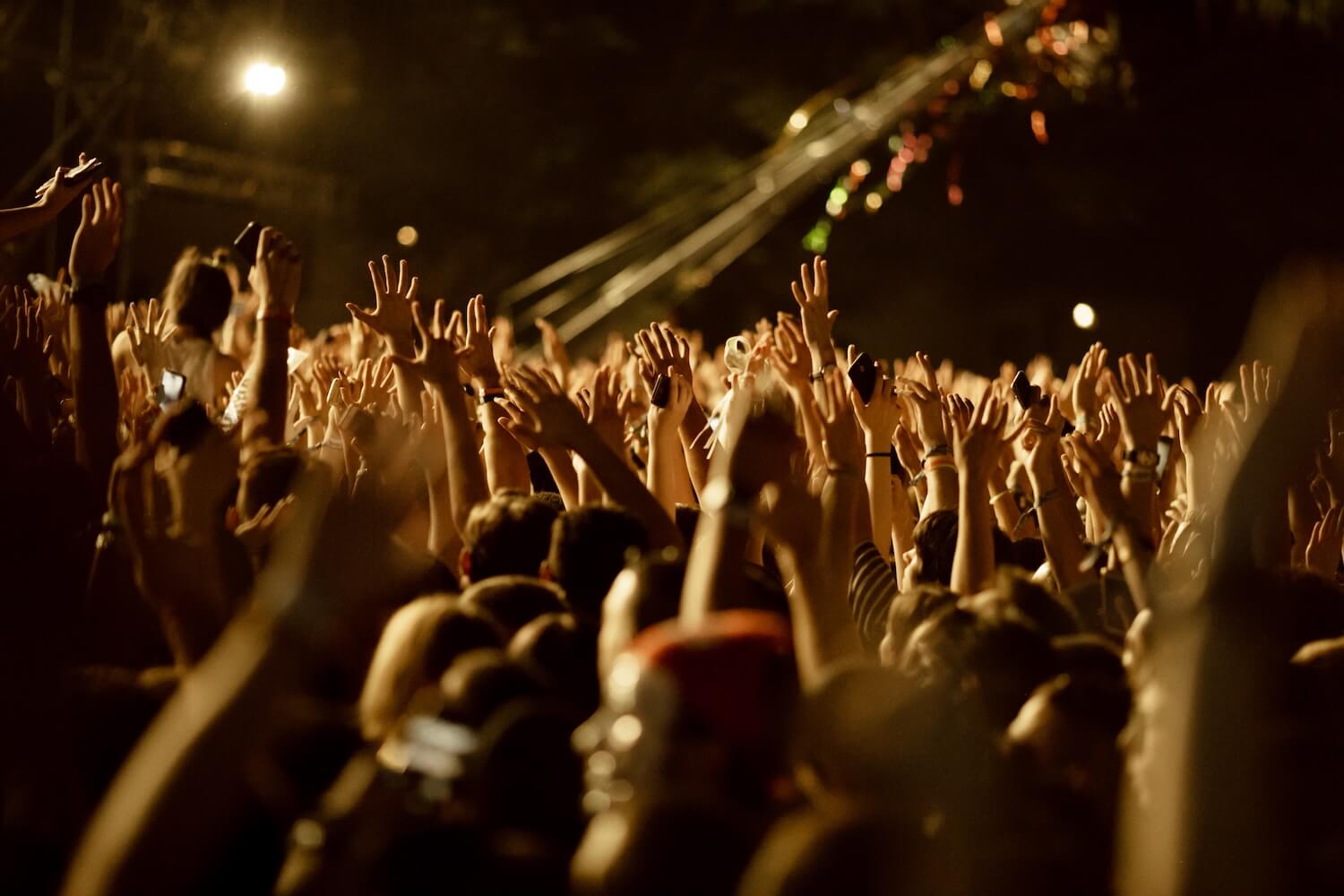
Many people love live music. Concerts. Festivals. Loud environments where the energy is high and the sound is powerful.
What most people do not realize is how quickly these experiences can affect their hearing. Not always years later; sometimes, that very night.
In a recent short educational video, I share simple, practical advice about how to enjoy concerts while protecting your hearing. These lessons come directly from working with patients who never expected one night of music to change how they hear.
Concert Hearing Damage Is About Intensity and Time
One of the biggest misunderstandings about hearing damage is that it is only about the volume of the sound exposure.
It is also about duration.
Concerts and festivals combine high sound levels with long exposure times. When you attend multiple sets or spend hours near speakers, the risk increases quickly. This is especially common at festivals, where sound exposure can last most of the day.
Understanding intensity versus time helps people make better choices in loud environments.
Earplugs Are Simple and Effective
Protecting your hearing does not need to be complicated.
In the video, I explain that even basic foam earplugs from a drugstore can make a real difference. These roll-up earplugs reduce sound intensity while still allowing you to enjoy the music.
For people who attend concerts regularly, musician earplugs are another option. They lower volume more evenly and preserve sound quality.
The most important step is simple: Bring earplugs and use them.
Small Breaks Reduce Long-Term Risk
Another practical takeaway is giving your ears breaks.
Step away from speakers. Spend time in quieter areas between sets. Limit how long you stay close to loud sound sources.
These small actions reduce overall exposure and help protect your hearing over time.
Why This Matters More Than People Expect
Many patients I see never felt pain at a concert, and they did not notice immediate problems.
Instead, they noticed later that speech seemed less clear. That background noise became exhausting. That the ringing in their ears did not fully go away.
Noise-related hearing damage often develops quietly, and prevention is far easier than treatment.
How Hearing Care Helps After Intense Sound Exposure
If you often attend concerts or festivals or you work in loud environments, hearing assessments provide clarity and peace of mind.
A professional hearing evaluation can:
Establish a hearing baseline
Identify early changes
Guide prevention strategies
Reduce long-term risk
Good hearing care is proactive, not reactive.
Resources: Industry Expertise & Hearing Health
Delivering effective hearing care means staying connected to current research and real-world clinical insight.
The Hearing Journal is one of the most respected professional publications in the hearing care industry. I’ve had the pleasure of being featured by The Hearing Journal through interviews and by hosting their professional podcast, contributing to wider conversations around best practice in audiology and patient care.
Verified features With The Hearing Journal:
An interview published by The Hearing Journal exploring professional confidence, leadership, and standards in audiology.
This article explores how confidence is shaped by both brain biology and personal experience, arguing that it is not a fixed trait but something that can be developed and recalibrated.
I host The Hearing Journal’s official podcast, which features expert discussions on hearing care and audiology topics.
Your Next Step
If you attend loud events, notice ringing after concerts, or feel listening fatigue, a hearing assessment can help protect your future hearing.
Small steps today can prevent bigger challenges later.
Book a hearing consultation with Longmont Hearing & Tinnitus Center today.
Frequently Asked Questions (FAQ)
Q: Can one concert damage hearing?
A: Yes. High sound levels over a few hours can cause damage.
Q: Do earplugs ruin the music?
A: No. They lower volume while preserving enjoyment.
Q: Are festivals riskier than single concerts?
A: Yes. Longer exposure increases risk.
Q: Is ringing in the ears after a concert normal?
A: It is common but not harmless. It can signal damage.
Q: Should concert goers get hearing tests?
A: Yes, especially if exposure is frequent.
Sources
National Institute on Deafness and Other Communication Disorders (NIDCD)
https://www.nidcd.nih.gov/health/noise-induced-hearing-loss
Explains how loud sound exposure causes hearing damage and why prevention matters.
Centers for Disease Control and Prevention (CDC)
https://www.cdc.gov/hearing-loss/causes/
Provides guidance on sound intensity, exposure time, and hearing safety.

Audiologist
Dr. D'Anne Rudden
Dr. D'Anne Rudden is an advocate for patient-centered hearing care. She believes in the transformational power of audiology to enhance lives, applying over 30 years of expertise to benefit each patient. Dr. Rudden’s commitment to her field comes through her numerous certifications, including Board Certified in Audiology, and her active participation in key audiological organizations.
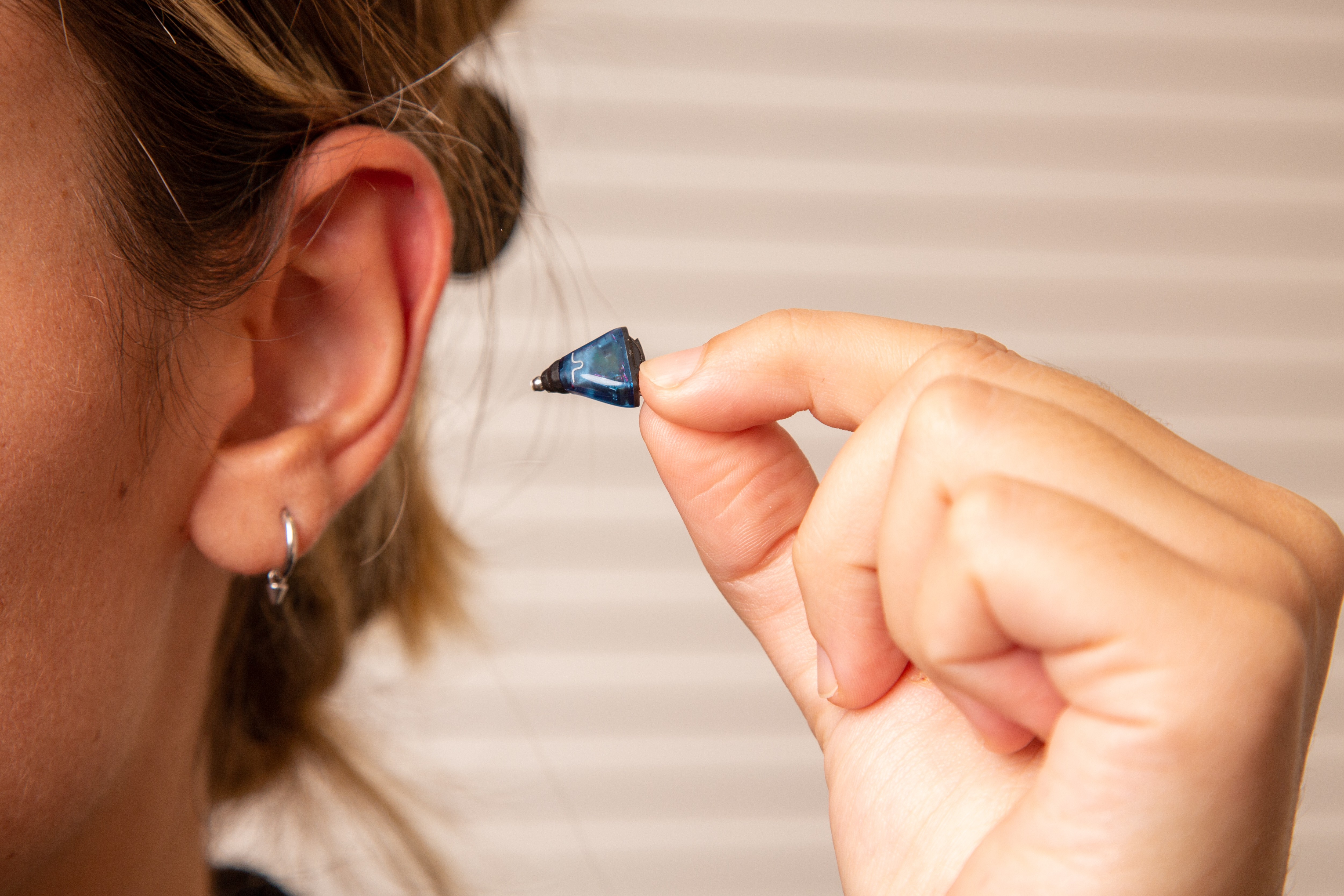
Experience the Future of Sound: What Is Auracast and How Can It Help Your Hearing Aids?
Keep Connecting in Longmont: How Clear Hearing Preserves Your Memory
The Truth About Ear Candling: Safe Earwax Removal

What Lorde’s Lollapalooza Performance Teaches Us About Hearing Health
Better Hearing Starts Here – Schedule Your Visit in Longmont!
Get expert hearing care at Longmont Hearing & Tinnitus Center. Whether you need a hearing test, tinnitus treatment, or custom hearing solutions, our specialists are here to help.