


Dr. D’Anne Rudden
|
Published on
|
2 min read
Valorie first realized she had a hearing challenge when a ringing in her ear, which started as an occasional annoyance, became a constant distraction. She began asking people to repeat themselves, initially not realizing it was due to not hearing them.
At first, she and her family made jokes about it – “What?” became a running gag during family gatherings and everyday conversations.
“I would position myself so my ‘good’ ear faced people, trying to catch what they were saying,” she shares. “It was frustrating and embarrassing, but I didn’t know what else to do.”
At work meetings, she found herself nodding along, pretending to catch details, or asking for clarifications more than she wanted. Family dinners became exhausting as she tried to follow multiple conversations, often missing key points.
Over time, what started as humor became a source of fatigue and embarrassment. She tried to explain the ringing away and worked around the problem, adapting quietly to avoid drawing attention.
Many people experience the same challenges and adopt similar coping strategies when hearing begins to change. Humor and small adaptations can provide temporary relief, but they rarely solve the underlying problem.
Why Seeking Help Feels Hard
Before reaching out for help, Valorie had preconceived fears about hearing aids. She remembered them as large, bulky, and noticeable and worried about what it might say about her age. Feeling some shame, she hesitated to admit there was a problem.
“I felt some shame at first,” she says. “It seems so silly now, but I worried about admitting there was a problem.”
These concerns are common for many people noticing hearing changes. Worries about appearance, age, or stigma can delay seeking care, even when symptoms interfere with daily life. Sometimes people convince themselves that the problem will improve on its own or assume it isn’t serious enough to address, prolonging frustration.
Recognizing these fears is the first step toward seeking care. Overcoming hesitation can prevent months or years of social strain and missed opportunities for meaningful connections.
A Different Kind of Hearing Care
When she first visited Longmont Hearing & Tinnitus Center, Valorie’s expectations were immediately shifted. My team and I made her feel welcome and listened to every concern. Each explanation was thorough and provided at her pace, ensuring she fully understood her options.
“My favorite part about working with the Center is the doctors,” she shares. “They genuinely care and respect each other and the staff. I never felt rushed.”
The experience of having questions answered, guidance given step by step, and reassurance throughout the process made a significant difference. Feeling genuinely supported gave her the confidence to move forward with treatment.
Attentive and empathetic care can transform the patient experience, making it easier to take the steps necessary for improved hearing and confidence.
Treatment That Transformed Daily Life
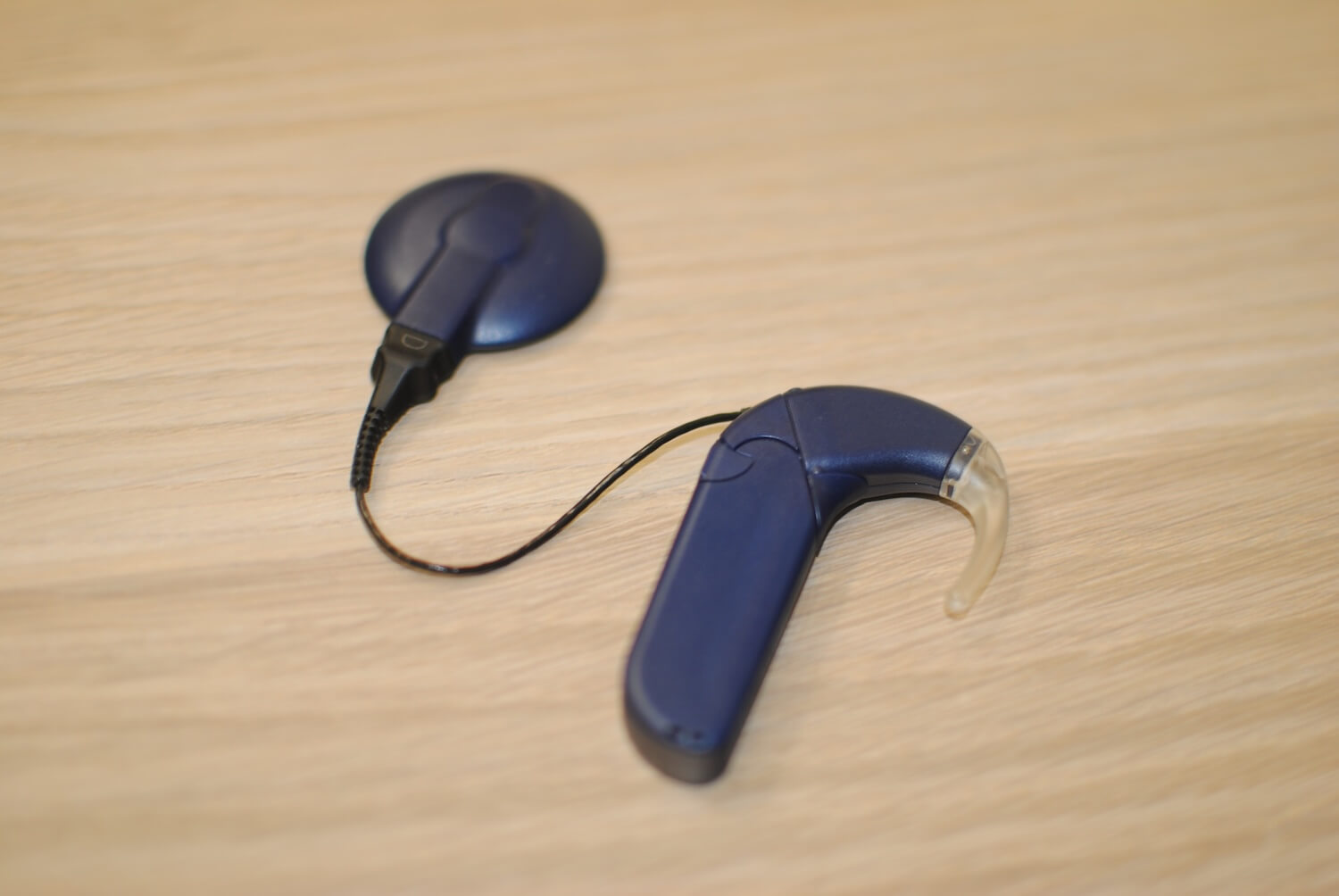
Once Valorie began treatment, the changes were profound. Hearing aids restored clarity, and a cochlear implant helped her regain hearing function in one ear that had been severely limited. Her tinnitus decreased by 90%, allowing her to enjoy quiet moments and conversations without constant distraction.
“I am no longer embarrassed to talk about my hearing loss,” she says. “I finally feel confident, not frustrated or ashamed.”
Valorie also shares that adapting to new devices took time. Learning to interpret sounds through the cochlear implant, practicing in different environments, and adjusting to amplified hearing required patience. Yet, the effort paid off, with noticeable improvements in daily life, social engagement, and confidence.
Proper treatment can replace coping strategies, frustration, and embarrassment with clarity, confidence, and renewed engagement in daily life.
The Importance of Taking the First Step
Taking the first step toward professional care can feel intimidating, but the rewards are substantial. Early evaluation and professional guidance allow for timely interventions and solutions, helping people reclaim clarity and confidence.
“Take the step, walk through the door, and hear what they have to say. It’s worth it; you are worth it,” Valorie advises.
Early action prevents months or years of social strain, misunderstanding, and missed opportunities. Seeking help is not just about restoring hearing; it’s about regaining comfort, connection, and quality of life.
Taking the first step toward professional hearing care can transform daily life, conversations, and overall quality of life. Every conversation matters.
Call now to schedule your appointment and discover how expert care can restore clarity, confidence, and comfort to your hearing. Start your journey today.
FAQs
1. How do hearing aids improve tinnitus?
Hearing aids can reduce the perception of ringing by amplifying external sounds, which helps mask tinnitus and makes it less noticeable.
2. What is the difference between a hearing aid and a cochlear implant?
Hearing aids amplify sound for mild to moderate hearing loss, while cochlear implants bypass damaged parts of the ear to directly stimulate the auditory nerve, restoring hearing function in more severe cases.
3. How long does it take to adjust to a cochlear implant?
Adjustment varies by individual, but most people notice improvements within weeks. Ongoing rehabilitation helps refine hearing and speech recognition over several months.
Source
https://www.nidcd.nih.gov/health/cochlear-implants
Provides detailed, authoritative information on cochlear implants and how they improve hearing for those with severe hearing loss.

Audiologist
Dr. D'Anne Rudden
Dr. D'Anne Rudden is an advocate for patient-centered hearing care. She believes in the transformational power of audiology to enhance lives, applying over 30 years of expertise to benefit each patient. Dr. Rudden’s commitment to her field comes through her numerous certifications, including Board Certified in Audiology, and her active participation in key audiological organizations.
Keep Connecting in Longmont: How Clear Hearing Preserves Your Memory

The Truth About Ear Candling: Safe Earwax Removal

What Lorde’s Lollapalooza Performance Teaches Us About Hearing Health

Supporting the Soundtrack of Northern Colorado: Longmont Hearing & The Lost Bluebird
Better Hearing Starts Here – Schedule Your Visit in Longmont!
Get expert hearing care at Longmont Hearing & Tinnitus Center. Whether you need a hearing test, tinnitus treatment, or custom hearing solutions, our specialists are here to help.