


Dr. D’Anne Rudden
|
Published on
|
2 min read
Lou’s story began over 30 years ago with a decision many might relate to: ignoring his hearing loss.
“At the time, hearing aids were large and unattractive, and I feared the vanity and annoyance of having to wear an apparatus,” Lou admits. He convinced himself that he could hear enough to get by without assistive technology.
Yet, as the years passed, that small denial spiraled into significant consequences. Lou’s untreated hearing loss meant constantly asking others to repeat themselves, providing incorrect responses, or, at times, completely disengaging from conversations.
Misunderstandings grew. Relationships suffered. “This created serious problems –misunderstandings, damaged trust, resentment, and missed opportunities,” Lou reflects.
Untreated hearing loss challenges often isolate individuals, and Lou was no exception. He found that while he didn’t wear hearing aids, he felt more disconnected from his friends and loved ones than ever.
The Cost of Waiting Too Long
For Lou, the cost of waiting was steep. Amid missed conversations and fractured relationships, Lou’s hearing difficulties spread to affect his social life.
“I asked people to repeat themselves constantly, gave improper responses, or ignored conversations altogether because communication had become too tedious,” Lou says. “I couldn’t have a reasonable conversation with anyone, not even my spouse.”
Hearing is vital to communication, connection, and shared understanding, not just hearing the world around you. Lou’s struggles are a poignant reminder for anyone thinking they can “get by” with partial hearing.
Moving forward with expert hearing care isn’t just about improving sound clarity; it’s about reclaiming your life and reconnecting with your loved ones.
Meeting the Longmont Hearing Team and Taking the Next Step
When Lou was referred to Longmont Hearing & Tinnitus Center for a cochlear implant evaluation, he was hesitant. The thought of a surgically implanted device felt intimidating and, in Lou’s words, “overwhelming and unappealing.”
Even though he qualified as a candidate, Lou decided to wait, convincing himself that such a step wasn’t yet necessary.
Resisting hearing care, however, only made his struggles with staying connected with his loved ones worse. Years later, Lou was ready to face his fear and revisit the cochlear implant conversation. The second time around, things were different.
Lou was reassured by our team’s expert guidance and compassionate care; by explaining the procedure and answering Lou’s lingering questions, the intimidation was taken out of the process, and Lou was ready to take the leap.
For many, navigating advanced hearing solutions can seem daunting, but supportive care from caring specialists bridges the gap between fear and action. Lou felt ready to address his hearing challenges, and he and our team got to work on his hearing health journey.
A New Beginning: Life After the Cochlear Implant
Modern hearing technology corrected everything for Lou. Conversations were no longer frustrating exercises in repetition. Confidence returned, relationships healed, and Lou found himself reconnecting in ways he once thought impossible.
“The technology corrected everything. It was a blessing – absolutely life-changing,” he shared. Looking back, Lou affirms, “I would do it again without hesitation.”
His key takeaway? A cochlear implant, when needed, doesn’t just restore sound; it restores life, allowing you to truly live and experience the world around you.
Advice From Someone Who Knows: “Get It Done”
For anyone hesitant about addressing their hearing health, Lou offers this heartfelt advice: “If you are a candidate, listen to Dr. Rudden. Take a week, do your research, and then get it done. A cochlear implant will change your life and the lives of everyone around you.”
Lou’s journey is proof that it’s never too late to take action. Whether it’s embracing hearing aids, considering cochlear implants, or starting with a hearing evaluation, every step forward is a step toward reclaiming better hearing and better living.
Take the Next Step in Your Hearing Health Journey
Rest assured that with us, you’re not just another patient. You’re an individual with unique concerns, hopes, and stories, just like Lou.
You’re offered more than a diagnosis and advanced technology. Partnering with experts that care about your individual needs means you receive support, expertise, and an ongoing partnership in your hearing health journey.
If you find yourself holding back due to fear, vanity, or uncertainty, take a moment to consider Lou’s transformation. Embrace the possibility of life-changing clarity through advanced hearing care.
Contact us today to get started on your hearing health journey. Even the smallest conversation can lead to the biggest transformation. It’s time to take that first step toward a life filled with vibrant sound and meaningful connection!
FAQs About Cochlear Implants
1. What is a cochlear implant, and how does it work?
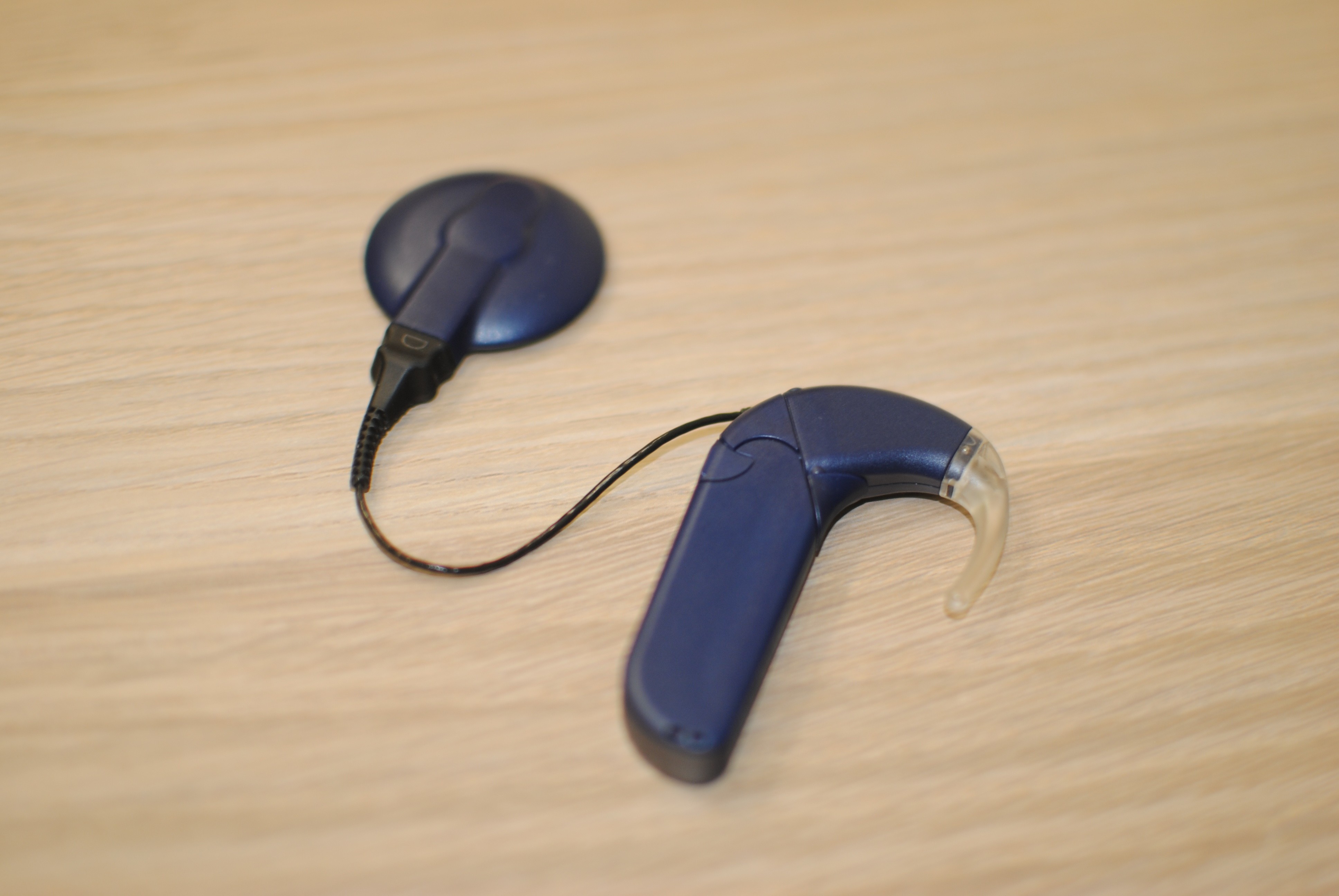
A cochlear implant is a sophisticated medical device designed to restore a sense of hearing for individuals with severe to profound hearing loss who do not benefit from traditional hearing aids. The implant bypasses damaged parts of the inner ear (cochlea) and directly stimulates the auditory nerve, allowing sound signals to be sent to the brain.
The system has two main components:
External Processor: Worn behind the ear, it captures sound with a microphone, processes it digitally, and sends it to the internal implant.
Internal Implant: Surgically placed under the skin and within the cochlea, this component converts the sound signals into electrical impulses, which stimulate the auditory nerve.
Unlike hearing aids, which amplify sounds, a cochlear implant provides direct access to sound, potentially helping users understand speech, recognize environmental sounds, and improve their quality of life.
2. Who qualifies for a cochlear implant?
Cochlear implants are typically recommended for individuals experiencing severe hearing loss in both ears, particularly when conventional hearing aids no longer provide sufficient sound clarity. Some common criteria include:
Degree of hearing loss: Severe to profound sensorineural hearing loss.
Limited hearing aid benefit: Difficulty understanding speech despite using powerful hearing aids.
Communication needs: Adults struggling to follow conversations in everyday environments or children who need auditory stimulation during critical development windows.
A full evaluation by an audiologist or hearing specialist is necessary to determine candidacy. They’ll review medical history, conduct hearing tests, and assess whether a cochlear implant is the most appropriate solution for your needs.
3. What can I expect during and after cochlear implant surgery?
During Surgery: Cochlear implant surgery is typically an outpatient procedure performed under general anesthesia. The process takes about 2–3 hours, during which the internal implant is positioned under the skin behind the ear and inserted into the cochlea.
After Surgery: Once the implant is in place, healing occurs over 2–3 weeks before the external processor can be activated. During the activation appointment, also called the “mapping” session, the audiologist programs the device and fine-tunes the sound settings. Adjustments may continue over several months to optimize performance.
Many recipients report significant improvement in their ability to hear and communicate within weeks or months, although it may take time for the brain to adapt to processing the new sound signals.
4. Will a cochlear implant restore “normal” hearing?
No, a cochlear implant does not restore hearing to normal levels. Instead, it provides a new way of perceiving sound, which can significantly improve communication and quality of life for individuals with profound hearing loss.
Recipients describe the sound as different from natural hearing, often requiring an adjustment period. However, with consistent use, training, and therapy, many people can recognize speech, enjoy music, and distinguish environmental sounds effectively. The benefits vary by individual and may depend on factors like:
Duration of severe hearing loss prior to implantation.
Age at implantation (younger candidates may adapt more quickly).
Commitment to follow-up and auditory rehabilitation.
5. What are the risks and benefits of getting a cochlear implant?
Benefits:
Improved Speech Understanding: Allows recipients to follow conversations more effectively, even in noisy environments.
Reconnection with Loved Ones: Restores the ability to communicate, enhancing relationships and emotional well-being.
Awareness of Surroundings: Recognizing environmental sounds like doorbells, alarms, or traffic creates a greater sense of independence and safety.
Quality of Life: Many recipients report increased confidence, reduced isolation, and greater satisfaction with their daily lives.
Risks:
While cochlear implant surgery is generally safe, as with any medical procedure, there are risks such as temporary dizziness or tinnitus post-surgery, and in rare cases, complications with nerve damage.
With proper surgical care and follow-up from experienced providers, these risks are minimized, and most patients experience overwhelmingly positive outcomes.
Sources
National Library of Medicine: https://pmc.ncbi.nlm.nih.gov/articles/PMC9707297/
This source offers a recent study about the new benefits discovered in cochlear implants, including emotion processing and music enjoyment.
JAMA Otolaryngology: https://jamanetwork.com/journals/jamaotolaryngology/article-abstract/2819303
This article argues that cochlear implantation benefits from a holistic approach to care for better and long-lasting outcomes.
Audiologist
Dr. D'Anne Rudden
Dr. D'Anne Rudden is an advocate for patient-centered hearing care. She believes in the transformational power of audiology to enhance lives, applying over 30 years of expertise to benefit each patient. Dr. Rudden’s commitment to her field comes through her numerous certifications, including Board Certified in Audiology, and her active participation in key audiological organizations.
Experience the Future of Sound: What Is Auracast and How Can It Help Your Hearing Aids?
Keep Connecting in Longmont: How Clear Hearing Preserves Your Memory
The Truth About Ear Candling: Safe Earwax Removal

What Lorde’s Lollapalooza Performance Teaches Us About Hearing Health
Better Hearing Starts Here – Schedule Your Visit in Longmont!
Get expert hearing care at Longmont Hearing & Tinnitus Center. Whether you need a hearing test, tinnitus treatment, or custom hearing solutions, our specialists are here to help.